

Water is the most important, yet overlooked, nutrient for athletes. Even mild dehydration can cause muscle cramps, dizziness, and lightheadedness and keep you from performing your best. Clear urine is a good sign that you have fully rehydrated.
Tips to keep your body hydrated
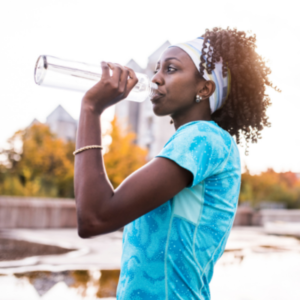 1) Drink plenty of fluids with every meal, whether or not you are exercising
2) Drink 16 oz. (2 cups) of water 2 hours before a workout
3) Continue to sip water during and after exercise, about ½ to 1 cup of fluid every 15-20 mins. After the first hour of vigorous exercise, switching to a diluted ½ energy drink with ½ water will help you get enough electrolyte
4) Drink even when you no longer feel thirsty and even more during hot, humid weather. Teenagers and adults should replace any body weight lost during exercise with an equal amount of fluids. For every pound lost while exercising, you should drink 16-24 oz. or 2-3 cups of fluid within the next 6 hours.
The Role of Vitamins and Minerals
 While vitamins and minerals are not sources of energy, they have many important functions for the body.
For example, Vitamin D and calcium in skim milk or fortified milk alternatives are needed for strong bones. Iron in red meat, egg yolks, and green leafy vegetables is needed for blood cells to carry oxygen throughout the body. Athletes should eat plenty of fruits and vegetables to get the electrolytes and minerals they need (like potassium and sodium), which have an effect on the amount of water in your body and how your muscles work.
Supplementing your nutrition plan with a daily multivitamin is not harmful, but supplements with high doses of vitamins and minerals will not improve performance and may actually be excessive, unnecessary, and expensive.
Athletic performance pushes your body to the edge, and progress is only accomplished by allowing your body to recover after exercise induced stressors. If you do not receive adequate nutrition and hydration from your diet, this recovery is not possible and metabolic waste will accumulate in your body leading to fatigue, muscle pain, and poor performance.
Of course, dietary needs will vary based on an individual’s age, gender, body type, and sport. If you are unsure if you are getting proper nutrition for your specific training, consult with a registered dietitian.