

Gunja Parikh, MS, RDN, LDN
Processed foods contain added sugars, unhealthy fats, sodium, and synthetic additives. These ingredients raise risks linked to obesity, type 2 diabetes, and heart disease. Reducing processed foods with simple, realistic swaps supports balanced nutrition and long-term health.
Healthy Food Swaps to Cut Processed Foods
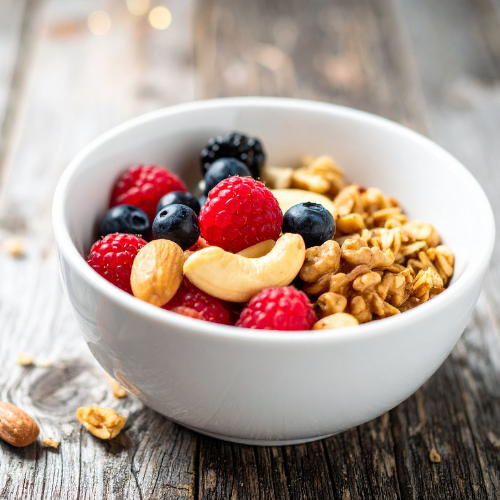


Swap Refined Grains for Whole Grains
Refined grains such as white bread, pastries, and regular pasta lack fiber and key nutrients. Replace them with whole grains like quinoa, brown rice, oats, or whole-grain bread. Whole grains support fullness, stable blood sugar, and heart health. Higher fiber intake also speaks to improved cholesterol and weight management.
Replace Sugary Drinks with Low-Sugar Beverage Alternatives
Sugary drinks like soda, sweet tea, and energy drinks add excess sugar. Choose water, sparkling water, or herbal teas. Add flavor with fresh fruit, cucumber, or mint. Reducing sugar-sweetened beverages supports lower calorie intake and better insulin response.
Choose Fresh or Frozen Produce Instead of Packaged Snacks
Ultra-processed snacks such as chips, cookies, and crackers offer sodium and unhealthy fats. Swap them for fruit, vegetables with hummus, or lightly salted nuts. These options provide vitamins, minerals, and antioxidants that support immune and metabolic health. Frozen fruits and vegetables remain nutrient rich and work well for convenience.
Pick Lean Proteins Over Processed Meats
Processed meats such as bacon, sausages, and deli meats carry higher sodium and nitrates. These raise risks associated with colorectal cancer and heart disease. Lean proteins like skinless poultry, fish, tofu, lentils, and beans offer balanced nutrition. Plant-based proteins also support reduced inflammation and better heart health.
Cook More Meals at Home to Limit Processed Convenience Foods
Home cooking gives control over ingredients and portions. Simple meals like roasted vegetables, grilled chicken, and whole-grain salads lower reliance on processed foods. Meal prep helps keep healthy choices accessible during the week.

Building Sustainable Eating Habits
Small changes help create long-term habits. Swapping one processed item at a time improves nutrient intake, supports weight management, and lowers chronic disease risk.
Gunja Parikh
MS, RD, LDN
Gunja is a Licensed and Registered Dietitian with a passion for helping individuals improve their eating habits to reach their nutrition goals... READ MORE
References
Monteiro, C. A., Cannon, G., Levy, R. B., et al. (2019). Ultra-processed foods: what they are and how to identify them. Public Health Nutrition, 22(5), 936–941. https://doi.org/10.1017/S1368980018003762
Malik, V. S., Popkin, B. M., Bray, G. A., Després, J.-P., & Hu, F. B. (2010). Sugar-sweetened beverages, obesity, type 2 diabetes mellitus, and cardiovascular disease risk. Circulation, 121(11), 1356–1364. https://doi.org/10.1161/CIRCULATIONAHA.109.876185
Schwingshackl, L., & Hoffmann, G. (2013). Long-term effects of low glycemic index/load vs. high glycemic index/load diets. Nutr Metab Cardiovasc Dis, 23(8), 699–706. https://doi.org/10.1016/j.numecd.2013.04.008
Micha, R., Michas, G., & Mozaffarian, D. (2012). Unprocessed red and processed meats and risk of coronary artery disease and type 2 diabetes. Curr Atheroscler Rep, 14(6), 515–524. https://doi.org/10.1007/s11883-012-0282-8
~ 95% of our Nutrition Services are Covered by Insurance
Schedule a Consultation with an RDN!