

Gina Gilchrist, MS, RDN, LDN
Do you ever head straight for the fridge or find yourself poking around the pantry after dinner? Do you find yourself thinking about food while you are watching TV or scrolling on your phone at night? You are not alone! For many people, late-night snacking is a craving rather than a hunger. Excess calories late at night can lead to weight gain, disruptive sleep, depression, and overall discomfort into the night and the following day. While this is in the realm of “normal” eating from time to time, if late-night eating is becoming a habit or a problem, try some of the following strategies to avoid or be better prepared for your next late-night snack or hunger attack.
Identify the Problem and Your Triggers
To change this habit, you need to identify the cause of the problem and your triggers. Nighttime eating may be the result of overly restricted or unbalanced daytime food intake, boredom, stress, and/or sleep deprivation. Nighttime eating has also been linked to some eating disorders, including binge eating disorder and nighttime eating syndrome. In both, people use food to curb emotions such as sadness, anger, or frustration, and they often eat when they are not hungry. Binge eaters also tend to eat very large amounts of food in one sitting and feel out of control when they are eating. If you think you have either of these disorders, seeking professional help and support can be key to overcoming problematic eating at night. Monitoring your behavior patterns and identifying what triggers you to eat at night will help you break the cycles of emotional eating. An idea could be keeping a “food and mood” diary to identify your triggers for eating.

Attempt to get on a structured sleeping routine!
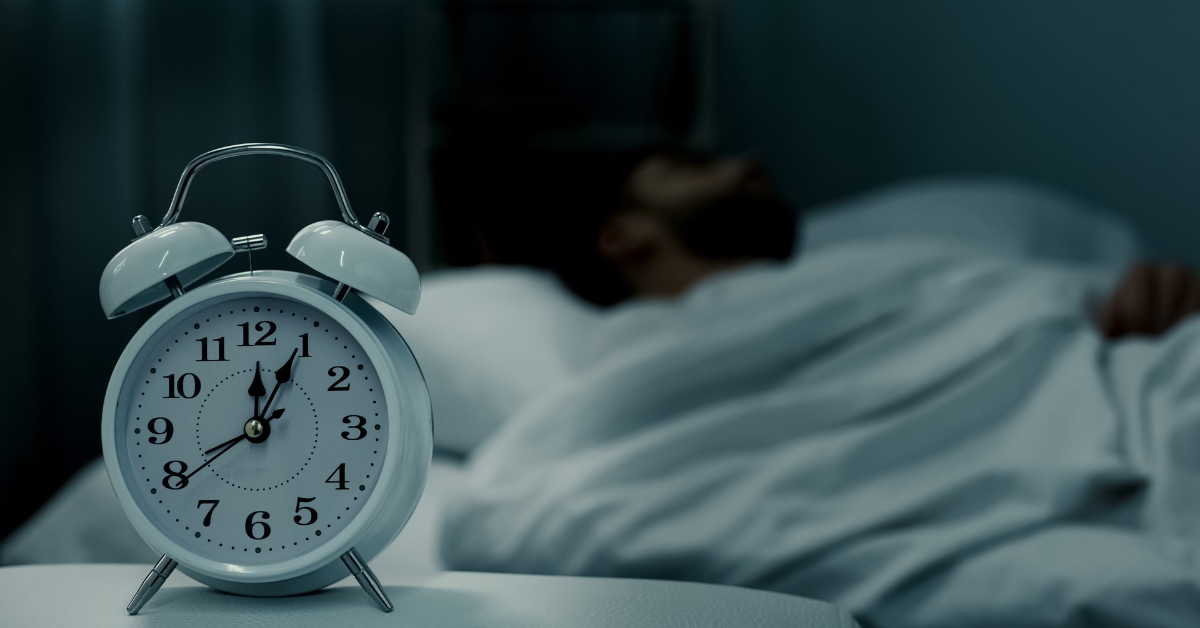
Having consistent times for eating and sleeping can help regulate hunger and reduce late-night snacking. Research shows that sleep deprivation can impair glucose metabolism and affect hormones that regulate hunger, appetite, and body weight. We also tend to confuse hunger with tiredness, especially at night. If you’re craving a snack after a balanced dinner, your body may simply be signaling that it needs rest.
To support better sleep and appetite regulation:
- Aim for 7-9 hours of sleep each night.
- Turn off electronic devices at least one hour before bed.
Using your phone before bedtime can increase cortisol, the body’s primary stress hormone, which may stimulate insulin release and increase appetite.
Aim for a balanced, nutritious diet throughout the day
Studies show that people who eat regular meals (three or more times per day) tend to have better appetite control and maintain a healthier weight. Aim to eat within one hour of waking and enjoy a balanced meal or snack every 3-4 hours. Avoid skipping meals or going longer than four hours without eating, as this can increase cravings for high-fat, high-sugar foods and make overeating at night more likely.
Planning nutritious meals ahead of time and including 20-25 grams of protein at each meal can help keep you full. One study found that eating frequent high-protein meals reduced cravings by 60% and cut the desire to eat at night by half.
Good sources of protein include:
- Oatmeal with fat-free milk, nuts, and fruit (~20g)
- Tuna (16g per ½ can)
- Cottage cheese (14g per ½ cup)
- Black beans (7g per ½ cup)
- Grilled chicken (27g per 3 ounces)
Don’t forget about dietary fiber, which also promotes fullness. Whole grains, legumes, vegetables, fruits, nuts, and seeds are excellent sources to include throughout the day, especially at dinner, to help reduce late-night hunger.

Keep the house a healthy zone!
If chips, snack crackers, or ice cream are your go-to evening snacks, consider keeping them out of the house to reduce temptation.
If you’re hungry after dinner, first ask yourself whether you’re truly hungry or simply thirsty, tired, bored, or stressed. If you still need a snack, choose one with protein or fiber, such as Greek yogurt, fruit, vegetables with hummus, or air-popped popcorn.
If you’re craving dessert, keep your portion small and avoid eating in front of the TV or while using your phone. Mindful eating can help you recognize your body’s fullness cues and prevent overeating.
Distract yourself!
If you are preoccupied with thoughts of food because you’re bored, then find something else you enjoy doing in the evening to help keep your mind occupied. Read a book, give yourself a manicure, work on a crossword puzzle, take the dog for a walk, do yoga, take a bath, or try meditation, gentle exercise, or stretching. Or it may be as simple as getting out of the kitchen area entirely so you are not tempted to walk over to the fridge or pantry! Sometimes sipping on some hot tea or decaf coffee (don’t add sugar!) can be relaxing and take your mind off eating. Another strategy is brushing your teeth right after dinner to stop a craving in its tracks and put you in the mindset of “bedtime”.

Gina Gilchrist
RD, LDN
Gina Gilchrist is a Registered Dietitian with a bachelors degree in Dietetics and has 24 years of experience in varied settings, including outpatient nutrition counseling, nutrition health coaching/private practice, research, and corporate health….READ MORE


