
Nina Cassetta, RD, LDN
Peptides are everywhere right now and are praised for supporting weight loss, improving recovery, boosting energy, improving aesthetics, and even promoting longevity. It’s easy to see why they’re getting so much attention. There are SO many different kinds.
But here’s the part that often gets missed: Peptides aren’t magic.
As a dietitian, I see this all the time: people start peptide therapy expecting major changes, but they’re not seeing the results they hoped for. And more often than not, the issue isn’t the peptide itself… It’s what’s happening (or not happening) in their nutrition. People expect the peptides to do all the work.
Let’s break this down in a way that actually makes sense.
Peptides will send the message, but your body needs the materials. Think of peptides as little messengers in your body that carry out messages to:
● Build muscle
● Burns fat
● Improve recovery
● Support metabolic health
That sounds great, but here’s the catch: They don’t provide the building blocks to make those things happen unless you are giving your body proper nutrients.
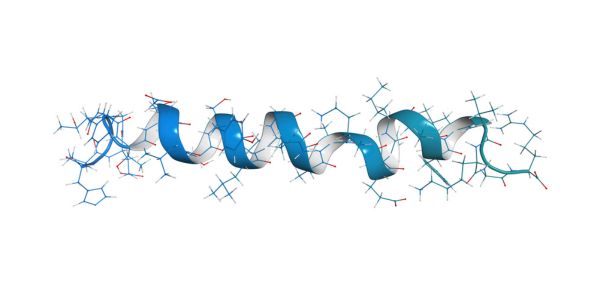
For example, a peptide might signal your body to build muscle, but if you’re not eating enough protein, your body literally doesn’t have the materials it needs to carry out the function.
It’s like trying to build a LEGO set without key structural pieces. The main key is PROTEIN. If you’re using peptides, protein becomes even more important.
Your body relies on amino acids (from protein) to:
- Repair tissues
- Build some muscle
- Support your metabolism
The peptide’s effectiveness is essentially limited without adequate protein.
A simple place to start:
- Aim for 25–35 grams of protein per meal
- Try to include a protein every 3–4 hours (even in your snacks!)
Easy options:
- Eggs or egg whites
- Low-fat string cheese
- Greek yogurt (or dairy-free alternatives)
- Chicken, fish, or lean meats
- Beans, lentils, tofu, or tempeh
You don’t need to overcomplicate it; you just need consistency.
Undereating is the worst thing for your peptide functionality. This surprises a lot of people.
Many individuals using peptides, especially for weight loss, are also eating very little. But undereating can actually slow your progress down, not speed it up.
When your body isn’t getting enough fuel, it shifts into a more “survival mode” state. That means:
- Slower metabolism
- Lower energy
- Reduced muscle-building potential
You have to eat enough for your body to do the work.
It’s not just macros; micronutrients matter too. Protein, carbs, and fats are important, but so are your vitamins and minerals.
Nutrients like:
- Magnesium
- Zinc
- B vitamins
…all play a role in energy, recovery, and hormone function.
A simple tip:
Focus on adding more color and variety to your plate, like fruits, vegetables, whole grains, and diverse protein sources, which go a long way.
Don’t Skip the Basics: Hydration, Sleep, and Recovery
Peptides often target things like recovery, inflammation, and cellular repair. Your daily habits still matter.
A few basics that make a big difference:
- Hydration: Aim for pale yellow urine as a general guide
- Sleep: This is when a lot of recovery and hormone regulation happen
- Stress management: Chronic stress can counteract progress
These might not be flashy, but they’re foundational.
A Quick Note on GLP-1s and Weight Loss Peptides
Medications like semaglutide and tirzepatide, often used for weight loss, work by reducing appetite, slowing digestion, and improving blood sugar control. While this can be incredibly helpful, it also makes it easier to undereat, which can lead to muscle loss, fatigue, hair loss, and nutrient deficiencies if you’re not intentional. That’s why focusing on protein intake, regular meals (even if smaller), and nutrient-dense foods is especially important when using these medications. The goal isn’t just weight loss. It’s maintaining muscle, supporting metabolism, and feeling your best long-term.
So… Are Peptides Worth It?
They can be when used in the right context.
Peptides can enhance what your body is already doing, but they don’t replace the basics. If your nutrition, hydration, and recovery aren’t a priority… You may not get the results you’re hoping for.
The Bottom Line
If you take one thing away from this, let it be this:
The most powerful change isn’t the injection. It’s what’s on your plate.
References
- Rahman MS, et al. The role of peptides in nutrition: Insights into metabolic, musculoskeletal, and behavioral health: A systematic review. Int J Mol Sci. 2025;26(13):6043.
- Robert J. Peptides for longevity: What science really shows. Biohacking News. 2025. Verywell Health. Peptides for weight loss: Evidence and clinical considerations. Published 2024.
- Health.com. How different diets influence your hormones. Published 2024. Real Simple. Too much protein and longevity: IGF-1 implications. Published 2025.
